<?xml version="1.0" encoding="utf-8"?><feed xmlns="http://www.w3.org/2005/Atom" ><generator uri="https://jekyllrb.com/" version="3.10.0">Jekyll</generator><link href="https://huckleylab.github.io/feed.xml" rel="self" type="application/atom+xml" /><link href="https://huckleylab.github.io/" rel="alternate" type="text/html" /><updated>2025-10-08T01:59:48+00:00</updated><id>https://huckleylab.github.io/feed.xml</id><title type="html">Buckley Group</title><subtitle>Functional ecology, evolution, and biogeography for changing environments</subtitle><author><name>Theme:Paul Le</name></author><entry><title type="html">About our research</title><link href="https://huckleylab.github.io/about" rel="alternate" type="text/html" title="About our research" /><published>2022-08-10T00:00:00+00:00</published><updated>2022-08-10T00:00:00+00:00</updated><id>https://huckleylab.github.io/about</id><content type="html" xml:base="https://huckleylab.github.io/about"><![CDATA[<p>Thank you for your interest in learning more about our research group in these pages. Our <a href="https://www.trenchproject.com/">TrEnCh (Translating Environmental Change) Project</a> is a branch of the group focused on building computational and visualization tools to understand how organisms experience climate change. We practice open science, so you can track our progress in our <a href="https://github.com/HuckleyLab">research group</a> and <a href="https://github.com/trenchproject">TrEnCh Project</a> GitHub organizations.  You can find lab policies and resources <a href="https://github.com/HuckleyLab/how_we_work">here</a>.</p>

<h2 id="research-question">Research Question</h2>
<p>How does biology (morphology, physiology, and life history) determine an organism’s ecological and evolutionary response to environmental change?</p>

<h2 id="research-overview">Research Overview</h2>
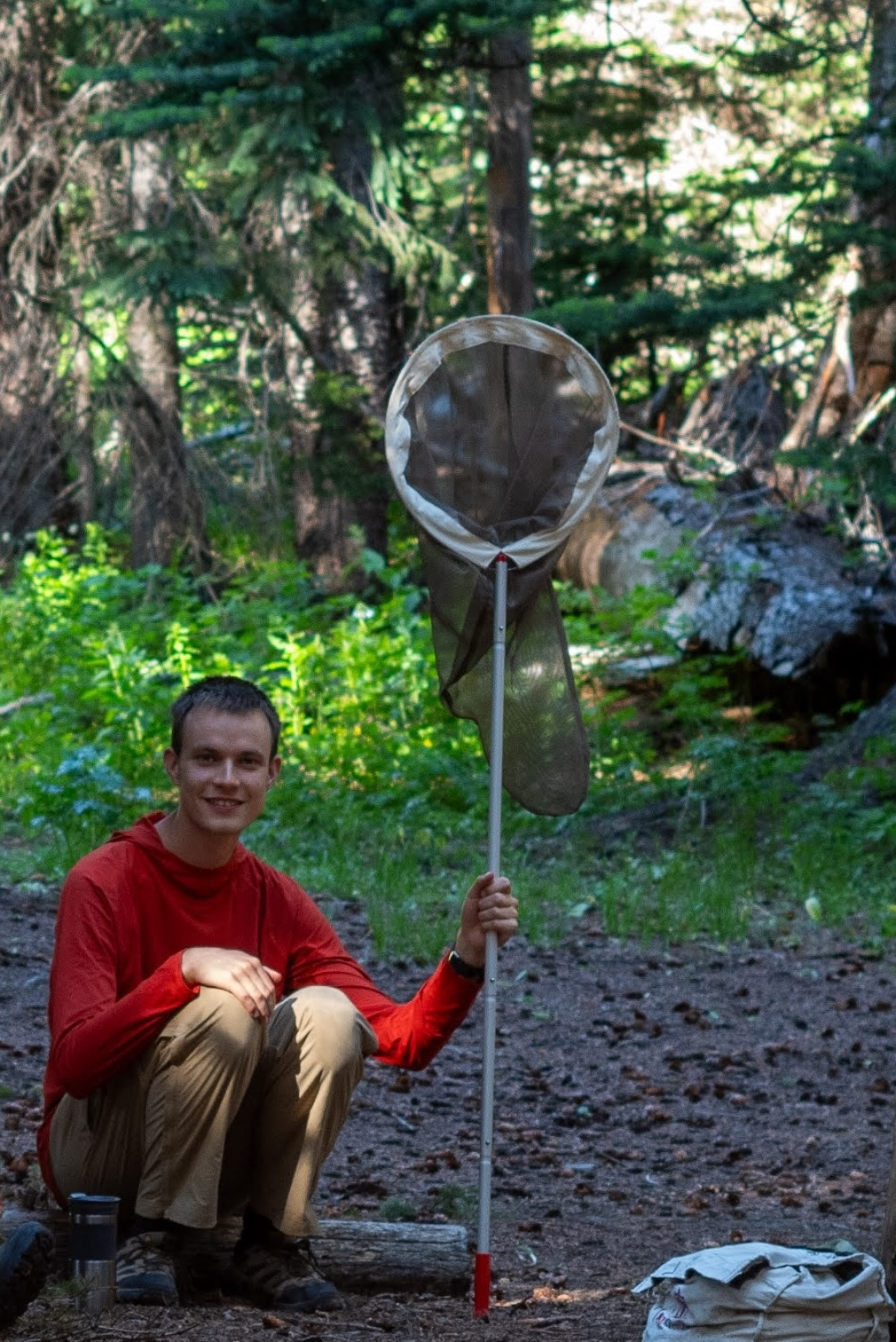
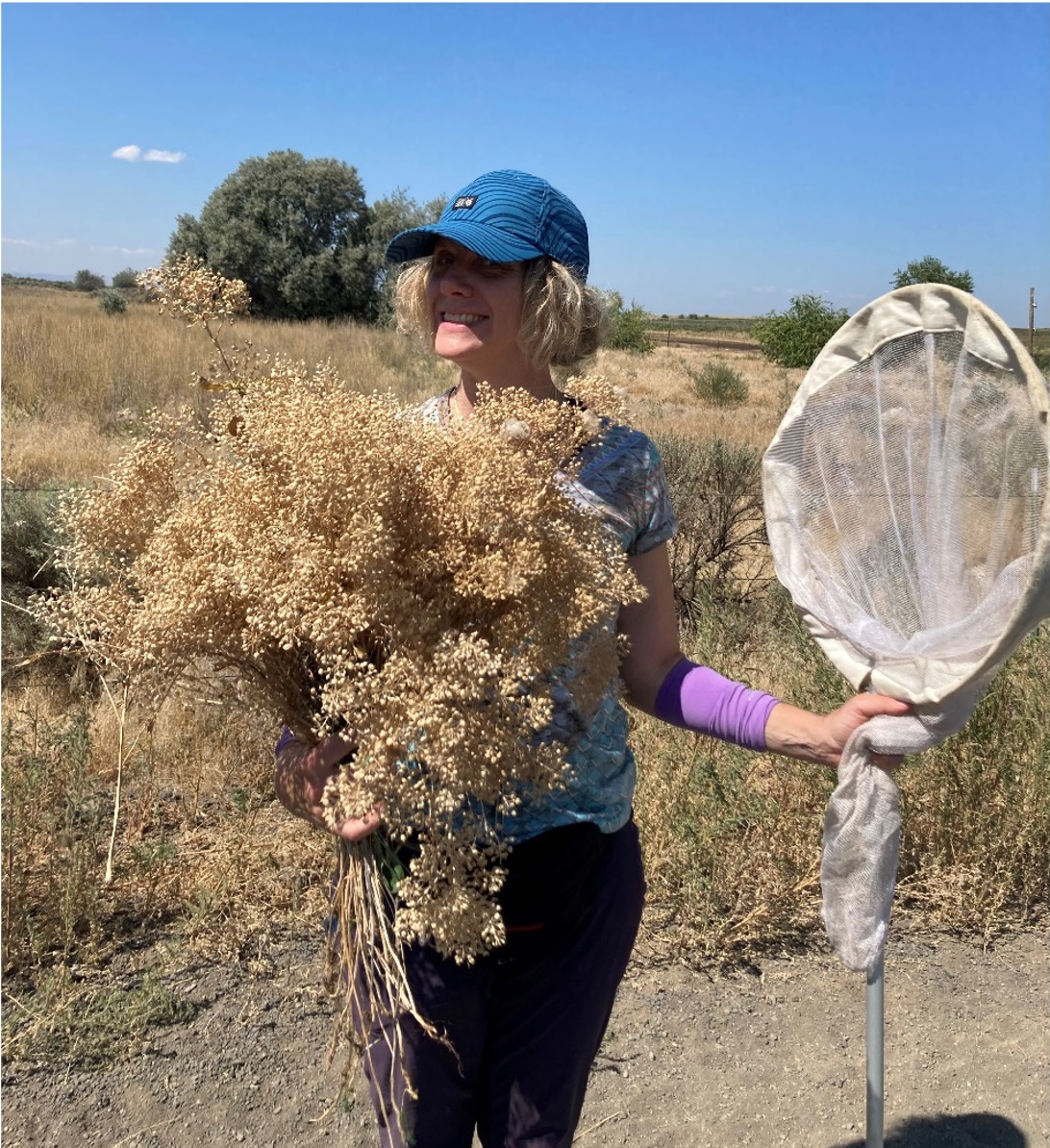
<p>Our research group combines modelling, field and lab collection of ecological and physiological data, and ecoinformatics to examine how biology (morphology, physiology, and life history) determines an organism’s ecological and evolutionary responses to environmental change.  We integrate approaches from physiological ecology and evolution, population and community ecology, and biogeography.  Our research currently focuses on montane butterflies and grasshoppers as they offer excellent historical records.</p>

<h2 id="approaches">Approaches</h2>
<ul>
  <li><strong>Ecological and evolutionary forecasting and hindcasting:</strong> We are using historic data on species’ traits from museum specimens and performance from lab and field studies to assess phenotypic shifts and their influence on species’ responses to recent climate change.</li>
  <li><strong>Mechanistic models of species’ ranges in changing environments:</strong> Connecting phenotypes to the ecological and evolutionary consequences of climate change requires integrated models at physiological, performance and fitness levels.  First, climate conditions, microclimatic structure and phenotypic traits determine patterns of body temperature and organismal energy and water balances.  Second, these patterns can be integrated with thermal performance curves to predict rates of survival, development and reproduction.  Third, these different fitness components can be combined to predict population demography and fitness.  These mechanistic niche models can forecast climate change impacts from first principles of heat and energy balances. We aim to apply the models to consider the range implications of geographic trait variation, evolution, and biotic constraints.  Field and lab work to document ecology and physiology are employed to parameterize and test the models. We tend to focus on morphological and physiological phenotypes as they relate to thermal sensitivity because the functional basis is well established. We characterize phenotypes in the field as well as in controlled conditions (laboratory growth chambers).  Field and lab experiments are used to document the functional implications of phenotypes.  We’re increasingly addressing the genetic basis of adaptation.</li>
  <li><strong>Physiological, energetic, and ecological constraints on abundance, distribution, and diversity:</strong> Ecoinformatics enables us to ask how the evolution of physiological traits constrains broad-scale patterns of abundance, distribution, and diversity.</li>
  <li><strong>Outreach and Education:</strong> We develop computational tools to translate physical climate changes into impacts on organisms. The tools enable assessing the ecological consequences of a given warming. We also teach courses on physiological and global change ecology and evolution and participate in outreach activities aimed at disseminating information about the ecological impacts of climate change.</li>
</ul>

<h2 id="questions-weve-worked-on-recently-include">Questions we’ve worked on recently include</h2>
<ul>
  <li>How does local adaptation across a species’ range influence responses to climate change?</li>
  <li>How does thermoregulatory behavior alter the evolution of thermal tolerances and climate change impacts over the short and long term?</li>
  <li>How does thermal exposure and sensitivity vary across the life cycle and what are the implications for demography and distributions?</li>
  <li>What are the implications of developmental plasticity for phenology and demography in changing environments?</li>
  <li>What are the relative impacts of acute (extremes) and chronic (means) climate conditions on demography and distributions?</li>
  <li>How does climate variability influence plastic and evolutionary responses to climate change?</li>
</ul>

<h2 id="contact">Contact</h2>
<p>Department of Biology, University of Washington, Box 351800, Seattle, WA 98195-1800</p>

<p>Lab: Life Sciences Building Floor 4E</p>

<p><strong>Affiliations:</strong> 
<a href="https://quantitative.uw.edu/">UW Center for Quantitative Science</a>, <a href="https://escience.washington.edu/">eScience Institute</a></p>]]></content><author><name>Theme:Paul Le</name></author><category term="sample" /><summary type="html"><![CDATA[Thank you for your interest in learning more about our research group in these pages. Our TrEnCh (Translating Environmental Change) Project is a branch of the group focused on building computational and visualization tools to understand how organisms experience climate change. We practice open science, so you can track our progress in our research group and TrEnCh Project GitHub organizations. You can find lab policies and resources here.]]></summary><media:thumbnail xmlns:media="http://search.yahoo.com/mrss/" url="https://huckleylab.github.io/BuckleyLabIntro.png" /><media:content medium="image" url="https://huckleylab.github.io/BuckleyLabIntro.png" xmlns:media="http://search.yahoo.com/mrss/" /></entry><entry><title type="html">Projects</title><link href="https://huckleylab.github.io/projects" rel="alternate" type="text/html" title="Projects" /><published>2022-08-09T00:00:00+00:00</published><updated>2022-08-09T00:00:00+00:00</updated><id>https://huckleylab.github.io/projects</id><content type="html" xml:base="https://huckleylab.github.io/projects"><![CDATA[<p><img align="left" height="300px" src="/assets/img/logo/TRENCH_Logo.png" alt="TrEnCh project logo" /></p>
<h2 id="trench-translating-environmental-change-project">TrEnCh (Translating Environmental Change) Project</h2>
<p>We build computational and visualization tools to translate environmental change into organismal responses. Details on the <a href="https://www.trenchproject.com/">TrEnCh project website</a>.</p>

<p>A key challenge in raising public awareness of climate change is conveying the ecological and human impacts of a given (e.g., 3°C) temperature increase. Biophysical models compute heat budgets for organisms and enable translating environmental conditions into potential body temperatures.  They can thus predict how warming alters thermal stress and performance.  They can be integrated with demographic models to scale up to the population, community, and ecosystem impacts of climate change.  Organisms interact with their environment at small spatial and short temporal scales, requiring downscaling of most available data describing current and projected future environments.  The high temporal and spatial resolution data will enable quantifying organismal responses to both environmental means and variability.  We are developing tools for visualizing the ecological impacts of climate change that will be disseminated through education and outreach programs.</p>

<p><img align="left" height="150px" src="/assets/img/CORP.png" alt="CORP project logo" /></p>
<h2 id="corp-colorado-resurvey-of-pierids-project">CORP (Colorado Resurvey of Pierids) Project</h2>
<p>We (in collaboration with Joel Kingsolver, UNC) have been investigating the interplay between phenology, phenotypic plasticity, and evolutionary adaptation in response to climate change. Our research focuses on a key thermoregulatory trait (wing color, which affects absorptivity of solar radiation) of Colias butterflies in montane, seasonal environments. An a priori expectation was that climate warming will select for lighter wings at low elevation (thus reduced heat loads) but darker wings at high elevation (to capitalize on warming). We extended our mechanistic modelling framework that incorporates microclimate, heat balance, and demographic models to include evolution and plasticity. We found – as we predicted – that evolutionary selection favors wing lightening at low elevation but wing darkening at high elevation across the butterflies’ distribution. Importantly, however, we found that seasonal and annual variation in climate causes the strength and direction of selection to fluctuate.</p>

<p>Our models suggest that plasticity in wing absorptivity can facilitate evolution, particularly at lower elevations with long seasons, by reducing temporal variation in the strength and direction of evolutionary selection.  Phenological shifts caused by environmental effects on developmental rate can also reduce variation in selection.  By using lab and field experiments and museum specimens to test our models, we confirmed model predictions in part but also highlighted how the interactions of multiple responses (e.g., plasticity and evolution) complicate phenotypic shifts. Extending the models to biogeographic scales and to future environments suggests that evolution and plasticity will shape responses, and that evolutionary lags may ultimately confer sensitivity, to climate change.</p>

<p><img align="left" height="150px" src="/assets/img/WARPUpdated.png" alt="WARP project logo" /></p>
<h2 id="warp-washington-resurvey-of-pierids-project">WARP (Washington Resurvey of Pierids) Project</h2>
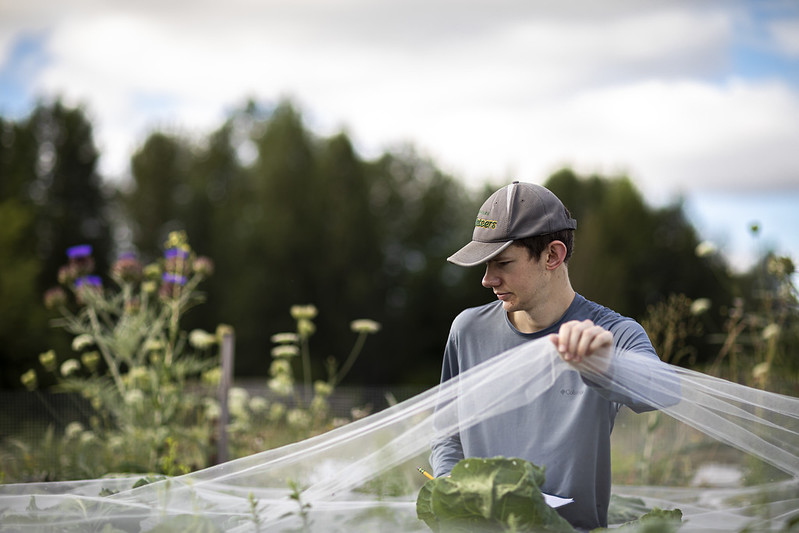
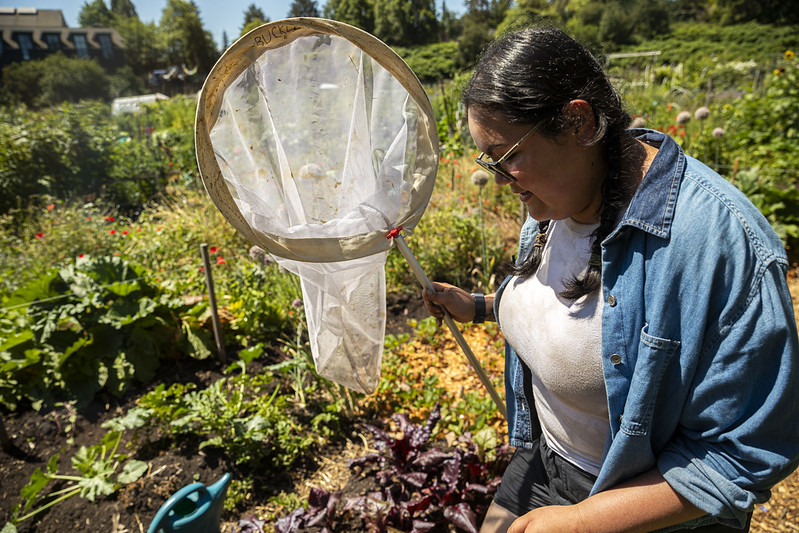
<p>We (in collaboration with Joel Kingsolver at UNC, Gwen Shlichta at Edmonds College, and Adam Steinbrenner at UW) are building upon the CORP project to test how selection on butterfly traits has shifted in response to recent climate change. The research will identify the biological mechanisms underlying evolutionary and plastic responses to climate change by quantifying how butterfly temperatures have shifted over several decades and developing a mechanistic model that links the temperature changes and traits to ecological and evolutionary responses. The following studies will test the mechanisms predicted to drive evolution and refine the model. Repeating field selection studies will investigate whether selection on <em>Pieris rapae</em> larval thermal performance curves (TPCs) and on <em>Pontia occidentalis</em> adult body size and wing traits has shifted over time. Studying selection on several wing traits across seasons will indicate relative selective responses to thermal means versus extremes and assay whether selection varies seasonally. The research will determine whether selection results in evolution of larval TPCs as well as adult traits and their plasticity. 
The project will test several hypotheses related to recent warming: 1. Performance at high temperatures will be enhanced relative to the past. 2. Wing coloration involved in heat-avoidance postures will be lighter. 3. Wing coloration involved in basking may lighten in response to climate warming, but there may be selection for wing darkening to allow for performance in cool, early season conditions. 
These opposing selection pressures will lead to amplified seasonal variation in selection and selection for increased plasticity. The research will additionally assess whether genetic correlations and variation have constrained evolution and whether they have shifted over time. The research will further develop and test phenotype-based models to solve the problem of unpredictability in climate change biology.</p>

<p><img align="left" height="150px" src="/assets/img/GARP.png" alt="GARP project logo" /></p>
<h2 id="gordon-alexander-resurvey-project">Gordon Alexander Resurvey Project</h2>
<p>We collaborate on a grasshopper resurvey project founded by Cesar Nufio, HHMI, to examine shifts in traits, phenology, abundance, and performance of grasshoppers along a Rocky Mountain elevation gradient (since initial surveys and specimen collection from 1930-1960) in response to recent climate change.</p>

<p>An NSF Rules of Life Project in collaboration with the groups of Sean Schoville at U Wisconsin and Caroline Williams at UC Berkeley aims to improve prediction techniques by investigating how animals respond to shifts in both average environmental conditions and short-term, extreme environmental conditions. Average environmental conditions over time determine rates of energy gain and subsequently reproductive rates, whereas survival can be strongly influenced by short-term, extreme environmental conditions. In many species, the relative importance of reproduction and survival in determining fitness change systematically along environmental gradients. Along a mountain slope, reproduction is constrained at high altitudes by a short, cool, growing season, while survival is challenged at low altitudes in summer due to hot temperature extremes. The project goal is to develop a general modeling approach that can bridge levels of biological organization, space and time to predict shifts in survival and reproduction constraints and thus improve our ability to forecast responses to environmental gradients and change.</p>

<p>The project is leveraging survey and specimen data, from recent and historical periods, in an assemblage of grasshopper species found along a montane elevation gradient that vary in traits such as dispersal, phenology, morphology, and thermal specialization. Field reciprocal transplant experiments will quantify the integrated response to the environment, while assessing whether local adaptation and plasticity moderate reproduction and survival constraints along the environmental gradient. The transplants will use physiological and genomic biomarkers to test the hypothesis that survival constraints predominate at low elevations, while reproduction constraints predominate at high elevations. Lab common garden experiments manipulating environmental attributes that vary with elevation (temperature, temperature variability, photoperiod, radiation, hypoxia) will test physiological mechanisms that underlie fitness constraints. Model building will integrate these physiological mechanisms to predict responses to the elevation gradient. Then, historic survey and specimen data will be used to test whether these models successfully hindcast patterns of genetic, physiological, phenotypic, and demographic responses to 50 years of environmental change.</p>]]></content><author><name>Theme:Paul Le</name></author><category term="projects" /><category term="documentation" /><category term="sample" /><summary type="html"><![CDATA[TrEnCh (Translating Environmental Change) Project We build computational and visualization tools to translate environmental change into organismal responses. Details on the TrEnCh project website.]]></summary><media:thumbnail xmlns:media="http://search.yahoo.com/mrss/" url="https://huckleylab.github.io/header_colias.png" /><media:content medium="image" url="https://huckleylab.github.io/header_colias.png" xmlns:media="http://search.yahoo.com/mrss/" /></entry><entry><title type="html">People</title><link href="https://huckleylab.github.io/people" rel="alternate" type="text/html" title="People" /><published>2022-08-08T00:00:00+00:00</published><updated>2022-08-08T00:00:00+00:00</updated><id>https://huckleylab.github.io/people</id><content type="html" xml:base="https://huckleylab.github.io/people"><![CDATA[<p>We strive to provide an equitable, inclusive, and inspiring research environment. We welcome members irrespective of race, religion, gender identification, sexual orientation, age, or disability status and appreciate diverse perspectives. We are committed to supporting black and other minoritized students in our lab and in STEM. See the <a href="https://github.com/HuckleyLab/how_we_work">how_we_work repository</a> on our lab GitHub account to learn more about our lab workflow and policies.</p>

<h1 id="current-members">Current Members</h1>

<p><img src="/assets/img/people/Lauren.png" alt="Buckley" height="200" style="float: left; margin-right: 10px;" /></p>
<h3 id="lauren-buckley-professor">Lauren Buckley, Professor</h3>
<h4 id="cv-google-scholar-wiki"><a href="/assets/files/BuckleyCV_ext.pdf">CV</a>, <a href="https://scholar.google.com/citations?user=Iik-8q8AAAAJ&amp;hl=en">Google Scholar</a>, <a href="https://scholar.google.com/citations?user=Iik-8q8AAAAJ&amp;hl=en">Wiki</a></h4>
<p>Lauren joined the UW Biology Department in July 2013. She previously majored in Biology and Math as an undergrad at Williams College, conducted graduate research at Stanford, held postdoctoral fellowships at the National Center for Ecological Analysis and Synthesis and the Santa Fe Institute, and was on the faculty at the University of North Carolina.  Some days it feels like we’re making progress in improving forecasts of ecological and evolutionary responses to climate change; other days it feels like a foolhardy enterprise. Most days are fun. Lauren enjoys tromping around the mountains of Colorado chasing butterflies and grasshoppers during resurvey projects examining responses to recent climate change. Checking out the sites in winter on skis is her favorite. She is excited to be starting a local project where she can walk to a field site from her office.</p>

<p><img src="/assets/img/people/Monica.png" alt="Sheffer" height="200" style="float: left; margin-right: 10px;" /></p>
<h3 id="monica-sheffer-postdoc">Monica Sheffer, Postdoc</h3>
<p>Monica received her PhD from the University of Greifswald in Germany, as part of the “RESPONSE” graduate training group, which focuses on understanding how organisms respond to novel and changing environments. Monica employs interdisciplinary approaches to address this issue, and her work aims to integrate information from all levels of biological organization, from the molecular and physiological level, up to phenotypic outcomes for individuals, and how those outcomes shape population dynamics. At the University of Washington, Monica is studying how survival and fecundity constraints vary with elevation in a montane grasshopper system.</p>

<p><img src="/assets/img/people/Julia.png" alt="Julia" height="200" style="float: left; margin-right: 10px;" /></p>
<h3 id="julia-smith-graduate-student">Julia Smith, Graduate student</h3>
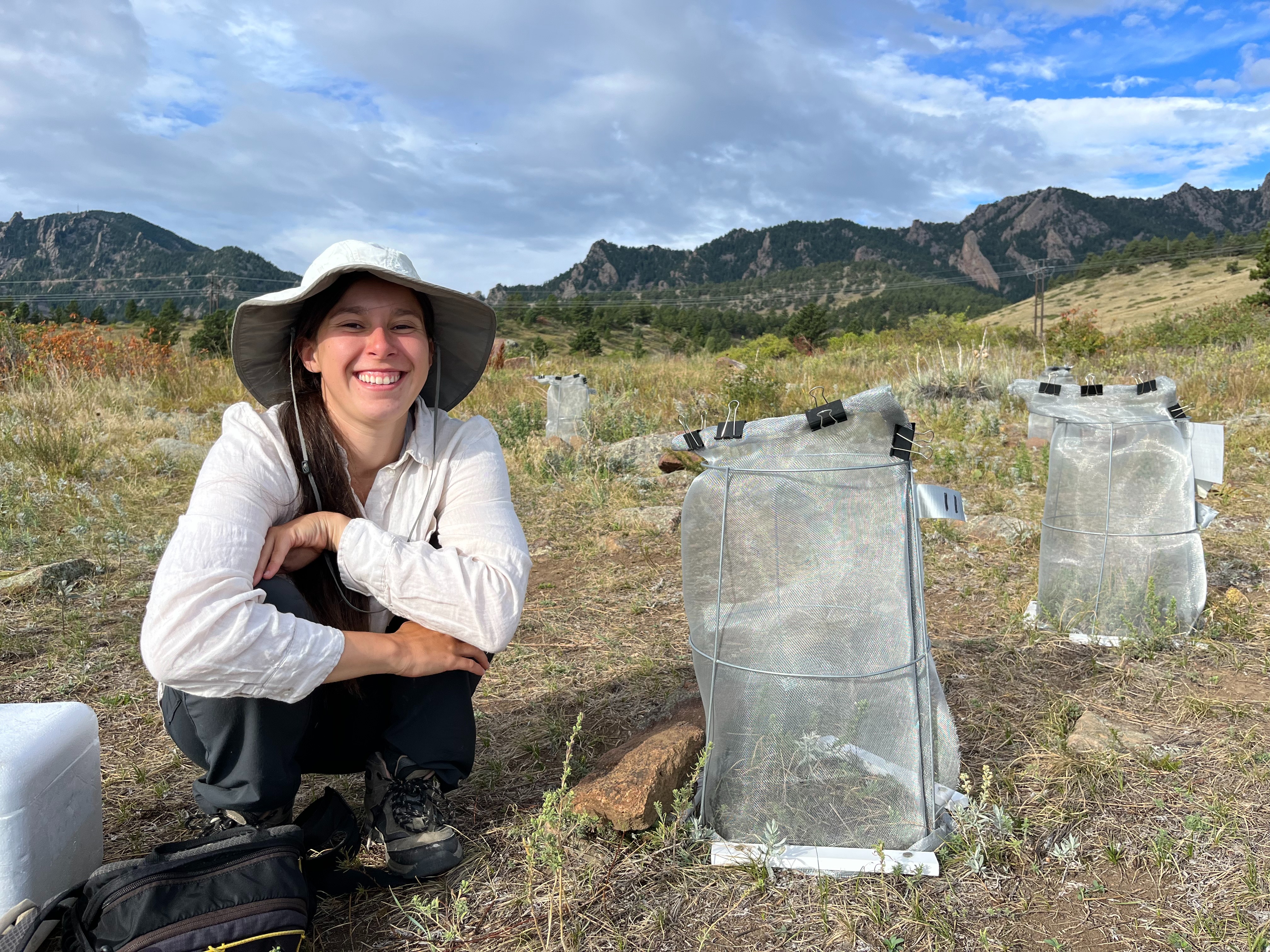
<p>Julia is interested in integrating quantitative and empirical methods to understand the ecological impacts of climate change. In the Buckley lab, she studies grasshopper thermoregulatory behavior and energetics (see the field season picture on the left). She is modeling how climate change may have affected behavior, energetics, and ultimately fitness over the past 70 years. She is also passionate about education (especially teaching quantitative methods in biology) and hopes to get more involved in education research soon! In her free time, she plays guitar, hangs out with her ill-mannered cat, plays board games with friends, and makes elaborate color-coded weekly schedules in Excel that she will never actually follow.</p>

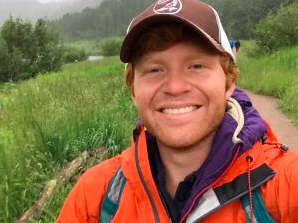
<p><img src="/assets/img/people/Taylor.png" alt="Taylor" height="200" style="float: left; margin-right: 10px;" /></p>
<h3 id="taylor-hatcher-graduate-student">Taylor Hatcher, Graduate student</h3>

<p>Taylor investigates how organisms are responding to climate change through resurvey methods and thermal physiology, with a particular focus on pollinators. She’s passionate about working with live animals in both lab and field settings. Outside the lab, you’ll find her exploring the outdoors with her dog, skiing, and playing board games with her labmates.</p>

<p><img src="/assets/img/people/AnnaB.png" alt="Anna" height="200" style="float: left; margin-left: 10px;" /></p>
<h3 id="anna-brasket-research-technician">Anna Brasket, Research Technician</h3>
<p>Anna received her bachelor’s in Biology at the University of Washington. Anna has been with the Buckley Lab since 2023, and has been involved in both grasshopper and butterfly research in the lab. She is joining us as a Research Technician for the Summer 2025 field season to lead research related to the WARP Project. She is especially interested in ecological and environmental responses to climate change, and applying these ideas to the conservation of the places she loves. Anna is always striving to be outdoors and enjoys the opportunities she has to combine being in beautiful places with doing research.</p>

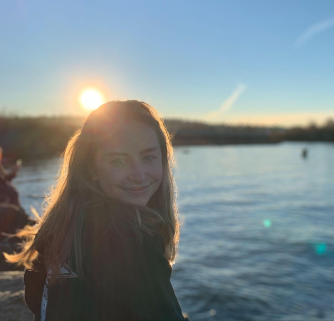
<p><img src="/assets/img/people/Spike.png" alt="Spike" height="200" style="float: left; margin-right: 10px;" /></p>
<h3 id="spike-pike-research-technician">Spike Pike, Research Technician</h3>
<p>Spike received her Bachelor’s from UC Berkeley, where she studied Integrative Biology and worked at the Essig Museum of Entomology and the Museum of Vertebrate Zoology. She has worked on a number of taxa in the field and the lab, including mantis shrimp, legless lizards, and Eucalyptus trees, and is broadly interested in evolutionary biology, phylogeny, and natural history. She joined the Buckley lab as a Research Technician in 2025 to work on Pierid responses to climate change for WARP. She spends her free time dancing Lindy Hop and uploading her insurmountable backlog of plant photos to iNaturalist.</p>

<p><img src="/assets/img/people/Gwen.png" alt="Gwen" height="200" style="float: left; margin-right: 10px;" /></p>
<h3 id="gwen-shlichta-affiliate--collaborator">Gwen Shlichta, Affiliate / Collaborator</h3>
<p><a href="https://www.edmonds.edu/programs/stem/biology/contact/gwen-shlichta.html">Gwen</a> is a faculty member at Edmonds College. She is collaborating with us to repeat butterfly research she conducted as a technician in the Kingsolver Lab at UW.  She is involving Edmonds undergraduates via a Course Based Undergraduate Research Experience (CURE) focused on Pierid butterflies and also conducts education research. She also maintains a P. rapae colony we use for research and collaboration. Gwen was an undergrad at Washington State University, conducted graduate research at the University of Maryland, and was a postdoc at the University of Neuchâtel Institute of Biology in Switzerland.</p>

<p><img src="/assets/img/people/Maxine.png" alt="Maxine" height="200" style="float: left; margin-right: 10px;" /></p>
<h3 id="maxine-mccormick-undergraduate-researcher">Maxine McCormick, Undergraduate researcher</h3>
<p>Maxine McCormick is an undergraduate student attending the University of Washington. She is in her senior year studying general biology and was introduced to the Buckley Lab when taking a class taught by Professor Buckley. Maxine is interested in the impacts of climate change on the environment and contributing to the preservation of wild places. In her free time she loves getting outside through her hobbies including fly fishing, backpacking, running, and gardening.</p>

<p><img src="/assets/img/people/Leo.png" alt="Leo" height="200" style="float: left; margin-right: 10px;" /></p>
<h3 id="leo-rupp-undergraduate-researcher">Leo Rupp, Undergraduate researcher</h3>
<p>Leo is currently an undergraduate studying ecology and evolutionary biology at the University of Washington. He transferred from Edmonds College, where he worked with Dr. Gwen Shlichta in the CURE (Course-Based Undergraduate Research) program studying cannibalism in Pieris rapae larvae. Leo is generally interested in field ecology, the effects of climate change on organisms, and evolutionary biology. In his free time, he likes to play video games, play tabletop roleplaying games, and read.</p>

<p><img src="/assets/img/people/JenniferL.png" alt="Jennifer" height="200" style="float: left; margin-right: 10px;" /></p>
<h3 id="jennifer-lopez-undergraduate-researcher">Jennifer Lopez, Undergraduate researcher</h3>
<p>Originally from the Bay Area, California, Jennifer relocated to Washington in 2019. She attended Edmonds College, where she enrolled in CURE (Course Based Undergraduate Research Experience) courses under the guidance of Dr. Gwen Slichta, leading to her introduction to the Buckley group. Her previous research involved investigating the mechanisms behind cannibalistic behavior in Pieris rapae larvae and exploring the influence of microbiome diversity on susceptibility and developmental delay in P. rapae larvae, based on their ecological interactions and diet.
Currently, she is an undergraduate student at the University of Washington, majoring in Molecular, Cellular, and Developmental Biology. Jennifer maintains a broad interest in developmental biology and sex-specific hormones, with a particular focus on understanding the distinctive aspects of female physiology. She has a particular interest in exploring the relationships between immunology, pathology, metabolism, and sex-specific hormones.
Jennifer is pursuing a career in medicine, with aspirations of becoming an Obstetrician-Gynecologist (OB-GYN) and a Reproductive Endocrinologist.</p>

<h1 id="former-members">Former Members</h1>

<h2 id="graduate-students">Graduate Students</h2>
<h3 id="anthony-cannistra-phd-2020">Anthony Cannistra, Ph.D. 2020</h3>
<p><img src="/assets/img/people/Tony.png" alt="Tony" height="200" style="float: left; margin-right: 10px;" />
Tony was co-trained in Computer Science and Biology at Tufts University. Before starting graduate school at UW, he was a naturalist at the Aspen Center for Environmental Studies in Aspen, Colorado. He’s interested in advancing the world by leading innovative computational approaches to hard problems.  He participated in the UW IGERT in Big Data and Data Science. Tony conducted research aimed at improving the ability of species’ traits to predict distributions and distribution shifts, leveraging novel sources of environmental data, and predicting the ecological impacts of marine heatwaves. Tony is currently a data scientist at Gaia GPS.</p>
<h3 id="nassima-bouzid-phd-2019">Nassima Bouzid, Ph.D. 2019</h3>
<p><img src="/assets/img/people/Sima.png" alt="Sima" height="200" style="float: left; margin-right: 10px;" />
Sima received her PhD in June 2019 for her dissertation entitled “Diversification and Local Adaptation in Western Fence Lizards (Sceloporus occidentalis)”. She conducted undergraduate research at the Museum of Vertebrate Zoology at UC Berkeley, where she was introduced to herpetology and trained in museum collection management. For her dissertation work, Sima integrated ecophysiology and genomics to study local adaptation of Sceloporus lizards along an elevation gradient in Yosemite National Park. The research aimed to provide insight into the evolutionary basis of climate change responses. She was co-advised by Adam Leaché. Sima is currently a data scientist at Invitae.</p>
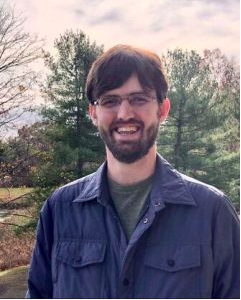
<h3 id="liang-ma-visiting-phd-student-2015-2016">Liang Ma, Visiting Ph.D. student 2015-2016</h3>
<p>Liang visited our research group during his Ph.D. with Wei-guo Du at the Institute of Zoology, Chinese Academy of Sciences. Liang’s research focused on understanding the relationship between thermal variation over space and time and the physiology and life history of ectotherms. He parameterized mechanistic models with reaction norms derived from empirical studies to generate new insights about the process of thermal adaptation at both local and global scales. Liang is currently a postdoc at Princeton.</p>

<h3 id="heidi-maclean-phd-2015">Heidi MacLean, Ph.D. 2015</h3>
<p>Heidi worked on thermal biology and examined how insects, butterflies in particular, are evolving and acclimating in response to climate change. Heidi was the lab’s first member at UNC and continues to be involved in the lab, but Joel Kingsolver at UNC served as her primary advisor once Lauren moved to UW. Heidi is currently a Postdoctoral Fellow at the Institute for Bioscience at Aarhus University working with Johannes Overgaard, Jesper Sørensen, and Torsten Kristensen.</p>

<h2 id="postdocs">Postdocs</h2>
<h3 id="chris-johnson-2021-2022">Chris Johnson, 2021-2022</h3>
<p><img src="/assets/img/people/Chris.png" alt="Chris" height="200" style="float: left; margin-right: 10px;" />
Chris received a PhD from UCLA working on how temperature and resources influence insect population dynamics in the Amarasekare Lab. He conducted further work combining theory with field and laboratory experiments to study how climate and species interactions affect ecological and evolutionary dynamics in the Bronstein lab at U Arizona and the Levine lab at ETH Zurich and Princeton. In our group, Chris returned to research exploring the evolution of insect thermal sensitivity. He’s now working with <a href="https://duw.unibas.ch/en/eco/">Sabine Rumpft</a> at the University of Basel.</p>
<h3 id="murilo-marochi-visiting-postdoc-2019">Murilo Marochi, Visiting postdoc 2019</h3>
<p>Murilo visited from the São Paulo State University in Brazil to work on developing ecophysiological models of crab responses to climate change.</p>

<h3 id="rory-telemeco-2014-2016">Rory Telemeco, 2014-2016</h3>
<p>Rory worked on the potential for lizard behavioral plasticity to buffer sensitivity to climate change.  Rory is now a faculty member at California State University Fresno</p>

<h3 id="heather-kharouba-nserc-postdoctoral-fellow-2015-2016">Heather Kharouba, NSERC Postdoctoral Fellow 2015-2016</h3>
<p>Heather is interested in the causes and consequences of ecological responses to global change. She was an NSERC Postdoctoral Fellow associated with the lab working on the relationship between phenological and distribution shifts.  Previously, she was a Center for Population Biology Postdoctoral Fellow at the University of California, Davis where she worked with Rick Karban and Louie Yang. She completed my PhD in the Department of Zoology and Biodiversity Research Centre at the University of British Columbia under the supervision of Mark Vellend. She joined the Department of Biology at the University of Ottawa as an Assistant Professor in September 2016.</p>

<h3 id="dolly-crawford-2009-2010">Dolly Crawford, 2009-2010</h3>
<p>Dolly worked with the lab on using biophysical models to hindcast changes in Neotoma distributions and body size over the last 40,000 years. Dolly subsequently was a postdoctoral associate at the Cornell Laboratory of Ornithology.  She is now faculty in the Department of Biology and Toxicology at Ashland University.</p>

<h2 id="research-scientists">Research scientists</h2>
<h3 id="jared-haar-2024-2025">Jared Haar 2024-2025</h3>
<p><img src="/assets/img/people/Jared.png" alt="Jared" height="200" style="float: left; margin-right: 10px;" /></p>

<p>Jared worked as an honors student in the Buckley Lab as an undergraduate student, assisting and massively contributing to two field work seasons. Once he graduated with his bachelors, he continued in the Buckley Lab as a research aide. Jared is now a California Climate Action Corps Fellow.</p>
<h3 id="ben-mous-2024">Ben Mous, 2024</h3>
<p><img src="/assets/img/people/Ben.png" alt="Ben" height="200" style="float: left; margin-right: 10px;" /></p>

<p>Ben worked with the group applying his extensive butterfly knowledge and expertise. His efforts have been a valued contribution to the WARP project progression. Ben is now working towards his PhD in Biochemistry in California.</p>

<h3 id="abby-meyer-2020-2022">Abby Meyer, 2020-2022</h3>
<p>Abby worked with the group applying her quantitative skills to vastly further many aspects of the TrEnCh project. Check out her contributions to TrEnCh-ed and TrEnCh-IR in particular.</p>

<h3 id="aji-john-2017-2019">Aji John, 2017-2019</h3>
<p>Aji worked on the TrEnCh project, particularly TrenchR and microclimate tools.</p>

<h2 id="undergraduate-researchers">Undergraduate researchers</h2>
<ul>
  <li>Lucie Reizian 2024-</li>
  <li>Marcos Alvarez 2024-</li>
  <li>Jared Haar 2023-2024</li>
  <li>Nahom Alemayehu 2023</li>
  <li>Alexander Juan 2023</li>
  <li>Varun Krishnakumar 2023</li>
  <li>Max Oberholtzer 2023</li>
  <li>Alice Le 2022-2023</li>
  <li>Rachael Ren 2021-2022 (NSF Graduate Research Fellowship recipient)</li>
  <li>Isaac Caruso 2020-2021</li>
  <li>Yutaro Sakairi 2019-2021</li>
  <li>Andrew Arakaki 2016-2017</li>
  <li>Bryan Briones Ortiz 2015-2017</li>
  <li>Grace Burgin 2015-2017</li>
  <li>Damir Zhaksilikov 2016-2017</li>
  <li>Kyle Kreiger 2016</li>
  <li>Jesse Ma 2015</li>
  <li>Teodora Rautu 2015</li>
  <li>Adetimi Akinniya 2015</li>
  <li>Evan Kirk 2013-2013</li>
  <li>Parth Shah 2012-2013</li>
  <li>Ethan Miller 2012-2013</li>
  <li>Joseph Grigg 2010-2013</li>
  <li>Edward Shin 2011</li>
  <li>Madison Foushee 2010-2011 (honors thesis)</li>
  <li>Stephanie Waaser 2010</li>
</ul>

<h2 id="educators">Educators</h2>
<ul>
  <li>Nick Verbanic, Lake Washington High School, 2020</li>
  <li>Macy Zwanzig, Redmond High School, 2020</li>
</ul>]]></content><author><name>Theme:Paul Le</name></author><category term="sample" /><category term="sample" /><summary type="html"><![CDATA[We strive to provide an equitable, inclusive, and inspiring research environment. We welcome members irrespective of race, religion, gender identification, sexual orientation, age, or disability status and appreciate diverse perspectives. We are committed to supporting black and other minoritized students in our lab and in STEM. See the how_we_work repository on our lab GitHub account to learn more about our lab workflow and policies.]]></summary><media:thumbnail xmlns:media="http://search.yahoo.com/mrss/" url="https://huckleylab.github.io/BuckleyLabColoradoFieldphoto.png" /><media:content medium="image" url="https://huckleylab.github.io/BuckleyLabColoradoFieldphoto.png" xmlns:media="http://search.yahoo.com/mrss/" /></entry><entry><title type="html">Publications</title><link href="https://huckleylab.github.io/publications" rel="alternate" type="text/html" title="Publications" /><published>2022-08-07T00:00:00+00:00</published><updated>2022-08-07T00:00:00+00:00</updated><id>https://huckleylab.github.io/publications</id><content type="html" xml:base="https://huckleylab.github.io/publications"><![CDATA[<h4 id="laurens-google-scholar-profile"><a href="https://scholar.google.com/citations?user=Iik-8q8AAAAJ">Lauren’s Google Scholar profile</a></h4>

<h2 id="select-publications-by-project">Select publications by project</h2>
<h3 id="trench-project">TrEnCh Project</h3>
<p>Meyer AV, Sakairi Y, Kearney MR, and Buckley LB. 2023. A guide and tools for selecting and accessing microclimate data for mechanistic niche modeling. <a href="https://doi.org/10.1002/ecs2.4506">Ecosphere</a></p>

<p>Buckley LB, Cannistra AF, and John A. 2018. Leveraging organismal biology to forecast the effects of climate change. Integrative and Comparative Biology 58:38-51.</p>

<p>Buckley LB, Arakaki AJ, Cannistra AF, Kharouba HM, and Kingsolver JG. 2017. Insect development, thermal plasticity and fitness implications in changing, seasonal environments. Integrative and Comparative Biology 57: 988-998.</p>

<h3 id="corp-butterfly-resurvey-project">CORP Butterfly Resurvey Project</h3>
<p>Buckley LB and Kingsolver JG. 2019. Environmental variability shapes evolution, plasticity, and biogeographic responses to climate change. Global Ecology and Biogeography 28:1456-1468.</p>

<p>MacLean HJ, Nielsen ME, Kingsolver JG, and Buckley LB. 2019. Using museum specimens to track morphological shifts through climate change. Philosophical Transactions of the Royal Society B 374:20170404.</p>

<p>Kingsolver JG and Buckley LB. 2018.  How do phenology, plasticity and evolution determine the fitness consequences of climate change for montane butterflies? Evolutionary Applications 11:1231-1244.</p>

<p>Kingsolver JG and Buckley LB. 2017. Evolution of plasticity and adaptive responses to climate change along climate gradients. Proceedings of the Royal Society B 284: 20170386.</p>

<p>MacLean HJ, Kingsolver JG, and Buckley LB. 2016. Historical changes in thermoregulatory traits of alpine butterflies reveal complex ecological and evolutionary responses to recent climate change. Climate Change Responses 3:13.</p>

<p>Kingsolver JG and Buckley LB. 2015 Climate variability slows evolutionary responses of Colias butterflies to recent climate change. Proceedings of the Royal Society B 282: 20142470.</p>

<h3 id="grasshopper-resurvey-project">Grasshopper Resurvey Project</h3>
<p>Buckley LB, Graham SI, and Nufio CR. 2021. Grasshopper species’ seasonal timing underlies shifts in phenological overlap in response to climate gradients, variability, and change. Journal of Animal Ecology 90:1252-1263.</p>

<p>Smith JM, Telemeco RS+, Ortiz BAB, Nufio CR, and Buckley LB.  2021. High-Elevation Populations of Montane Grasshoppers Exhibit Greater Developmental Plasticity in Response to Seasonal Cues. Frontiers in Physiology 12: 738992.</p>

<p>Buckley LB, Schoville SD, and Williams CM. 2021. Shifts in the relative fitness contributions of fecundity and survival in variable and changing environments. Journal of Experimental Biology 224:  jeb228031.</p>

<p>Slatyer RA, Schoville SD, Nufio CR, and Buckley LB. 2020. Do different rates of gene flow underlie variation in phenotypic and phenological clines in a montane grasshopper community? Ecology and Evolution 10: 980-997.</p>

<p>Nufio CR and Buckley LB. 2019. Grasshopper phenological responses to climate gradients, variability, and change. Ecosphere 10:e02866.</p>

<p>Buckley LB, Nufio CR, Kirk EM, and Kingsolver JG. 2015. Developmental plasticity determines phenological responses to climate warming. Proceedings of the Royal Society B 282: 20150441.</p>

<h3 id="sceloporus-lizard-climate-change-responses">Sceloporus Lizard Climate Change Responses</h3>
<p>Levy O, Borchert JD, Rusch TW, Buckley LB, and Angilletta MJ. 2017. Diminishing returns limit energetic costs of climate change. Ecology 98:1217-1228.</p>

<p>Telemeco, RS, Fletcher B, Levy O, Riley A, Rodriguez-Sanchez Y, Smith C, Teague C, Waters A, Angilletta MJ, and Buckley LB. 2016. Lizards fail to plastically adjust nesting behavior or thermal tolerance as needed to buffer populations from climate warming. Global Change Biology 23: 1075-1084.</p>

<p>Levy O, Buckley LB, Keitt TH, and Angilletta MJ. 2016. Ontogeny constrains phenology: opportunities for activity and reproduction interact to dictate potential phenologies in a changing climate. Ecology Letters 19: 620–628.</p>

<p>Levy O, Buckley LB, Keitt TH, and Angilletta MJ. 2016. A dynamically downscaled projection of past and future microclimates. Ecology 97:1888.</p>

<p>Levy O, Buckley LB, Keitt TH, Smith C, Boateng K, Davina K, and Angilletta MJ. 2015 Resolving the life cycle alters expected impacts of climate change. Proceedings of the Royal Society B 282: 20150837.</p>

<p>Buckley LB, Ehrenberger JC, and Angilletta MJ. 2015. Thermoregulatory behavior limits local adaptation of thermal niches and confers sensitivity to climate change. Functional Ecology 29: 1038-1047.</p>

<h2 id="select-publications-by-topic">Select publications by topic</h2>
<h3 id="mechanistic-niche-models">Mechanistic niche models</h3>
<p>Buckley LB, Urban MC, Angilletta MJ, Crozier LG, Rissler LJ, and Sears MW. 2010. Can mechanism inform species distribution models? Ecology Letters 13:1041-1054.</p>

<p>Buckley LB. 2008. Linking traits to energetics and population dynamics to predict lizard ranges in changing environments. American Naturalist 171:E1-E19.</p>

<h3 id="thermal-sensitivity">Thermal sensitivity</h3>
<p>Buckley LB. 2022. Temperature-sensitive development shapes insect phenological responses to climate change. Current Opinion in Insect Science: 100897.</p>

<p>Buckley LB and Kingsolver JG. 2021. Evolution of thermal sensitivity in variable and changing environments. Annual Review of Ecology and Evolution 52: 563-586.</p>

<p>Kingsolver JG and Buckley LB. 2020. Ontogenetic variation in thermal sensitivity shapes insect ecological responses to climate change. Current Opinion in Insect Science 41:17-24.</p>

<h3 id="thermal-extremes">Thermal extremes</h3>
<p>Kingsolver JG, and Buckley LB. 2017. Quantifying thermal extremes and biological variation to predict evolutionary responses to changing weather and climate. Philosophical Transactions of the Royal Society B 372: 20160147.</p>

<p>Buckley LB and Huey RB. 2016. Temperature extremes: geographic patterns, recent changes, and implications for organismal vulnerabilities. Global Change Biology 22:3829-3842.</p>

<p>Buckley LB and Huey RB. 2016. How extreme temperatures impact organisms and the evolution of their thermal tolerance. Integrative and Comparative Biology 56: 98-109.</p>

<h3 id="physiological-energetic-and-ecological-constraints">Physiological, energetic, and ecological constraints</h3>
<p>Poloczanska ES, Brown CJ, Sydeman WJ, Kiessling W, Schoeman DS, Moore PJ, Brander K, Bruno JF, Buckley LB, Burrows MT, Duarte CM, Halpern BS, Holding J, Kappel CV, OConnor MI, Pandolfi JM, Parmesan C, Schwing F, Thompson SA, and Richardson AJ. 2013. Climate change impacts on marine life from long-term observations. Nature Climate Change 3: 919-925.</p>

<p>Grigg JW and Buckley LB. 2013. Conservatism of lizard thermal tolerance across evolutionary history and geography. Biology Letters. 9: 20121056.</p>

<p>Buckley LB, Hurlbert AH, and Jetz W. 2012. Broad-scale ecological implications of ectothermy and endothermy in changing environments. Global Ecology and Biogeography 21:873-885.</p>

<p>Diamond SE, Frame AM, Martin RA, and Buckley LB. 2011. Species’ traits predict phenological responses to climate change in butterflies. Ecology 95:1005-1012.</p>

<p>Buckley LB and Jetz W. 2008. Linking global turnover of species and environments. Proceedings of the National Academy of Science 105: 17836-17841.</p>

<p>Buckley LB and Jetz W. 2007. Environmental and historical constraints on global patterns of amphibian richness. Proceedings of the Royal Society B 274:1167-1173.</p>]]></content><author><name>Theme:Paul Le</name></author><category term="documentation" /><category term="documentation" /><category term="sample" /><summary type="html"><![CDATA[Lauren’s Google Scholar profile]]></summary><media:thumbnail xmlns:media="http://search.yahoo.com/mrss/" url="https://huckleylab.github.io/hopper_sm.png" /><media:content medium="image" url="https://huckleylab.github.io/hopper_sm.png" xmlns:media="http://search.yahoo.com/mrss/" /></entry><entry><title type="html">Education and Outreach</title><link href="https://huckleylab.github.io/educationoutreach" rel="alternate" type="text/html" title="Education and Outreach" /><published>2022-08-06T00:00:00+00:00</published><updated>2022-08-06T00:00:00+00:00</updated><id>https://huckleylab.github.io/educationoutreach</id><content type="html" xml:base="https://huckleylab.github.io/educationoutreach"><![CDATA[<p>We aim to broadly disseminate our research to enhance understanding of the ecological and evolutionary impacts of climate change to students and the public.</p>

<h2 id="education-and-outreach-resources">Education and outreach resources</h2>
<p><img align="left" height="100px" src="/assets/img/logo/TRENCH_Logo_Circle-TrenchEd.png" alt="TrEnCh project logo" /></p>
<h3 id="trench-ed">TrEnCh-ed</h3>
<p>We have created the <a href="https://trench-ed.trenchproject.com/">TrEnCh-ed</a> website including interactive R Shiny applications and associated tutorials to allow students and others interested to explore the ecological and evolutionary impacts of climate change through interacting with data. We offer teaching workshops introducing the resources.</p>

<p><img align="left" height="100px" src="/assets/img/logo/TRENCH_Logo_Circle-TrenchIR.png" alt="TrEnCh project logo" /></p>
<h3 id="trench-ir">TrEnCh-ir</h3>
<p>Our <a href="https://trench-ir.trenchproject.com/">TrEnCh-ir</a> offers conversion of FLIR images to more useful formats and a gallery of thermal images for research, outreach, and education. The site also includes educational activities using thermal images to visualize how organisms experience their thermal environment.</p>

<p>Our @trenchproject instagram feed includes thermal images exploring the thermal complexity of life. Please get in touch with Lauren if you have images you’d like to contribute or if you’d like to borrow a camera to take images to contribute. If you’d like to contribute, you can either post directly to the account or we’ll provide a Google Drive folder for you to upload images to and we can post on your behalf.</p>

<p>Any images that highlight the thermal complexity of life are a good fit. Examples include landscapes with variations in sun and shade or different types of surfaces. Animals and plants exhibiting thermal variability or in thermally variable landscapes are great. Objects and people are fine too if aligned with the goal of helping students and the public understand why temperatures vary and how that might influence thermal stress and sensitivity to climate change. Any style and length of caption is fine.  It is helpful for education purposes to try to describe the thermal variation and why it occurs.</p>

<p>We’ve taken most of the images using an inexpensive FLIR ONE camera attached to a phone. The camera’s hybrid visual IR images can facilitate interpretation over traditional IR cameras. We’ve also been using FLIR ONEs since we’re much more likely to carry around the small attachment relative to a traditional IR camera. However, images from any IR camera are welcome. We also welcome visual images that can be paired with IR images to aid interpretation.</p>

<h2 id="biophysical-ecology-tutorials">Biophysical ecology tutorials</h2>
<p>We’ve developed a series of <a href="https://bookdown.org/huckley/Physical_Processes_In_Ecosystems/">tutorials</a> aimed at graduate students interested in biophysical ecology. The tutorials originate from a 1979 course at UW entitled “Physical Prcoesses in Ecosystems” and Mike Kearney, U Melbourne, contributed additional tutorials. The tutorials align with the TrenchR package.</p>

<h2 id="undergraduate-course-resources">Undergraduate course resources</h2>
<p>Professor Buckley teaches a course in Physiological Ecology and Evolution as well as a course in Climate Change Biology. We aim to collaborative develop course resources.</p>]]></content><author><name>Theme:Paul Le</name></author><category term="documentation" /><category term="documentation" /><category term="sample" /><summary type="html"><![CDATA[We aim to broadly disseminate our research to enhance understanding of the ecological and evolutionary impacts of climate change to students and the public.]]></summary><media:thumbnail xmlns:media="http://search.yahoo.com/mrss/" url="https://huckleylab.github.io/head_alexander.png" /><media:content medium="image" url="https://huckleylab.github.io/head_alexander.png" xmlns:media="http://search.yahoo.com/mrss/" /></entry><entry><title type="html">Opportunities to join our group</title><link href="https://huckleylab.github.io/opportunities" rel="alternate" type="text/html" title="Opportunities to join our group" /><published>2022-08-05T00:00:00+00:00</published><updated>2022-08-05T00:00:00+00:00</updated><id>https://huckleylab.github.io/opportunities</id><content type="html" xml:base="https://huckleylab.github.io/opportunities"><![CDATA[<p>We are recruiting undergraduates and a research technician. See below.</p>

<h2 id="postdocs">Postdocs</h2>
<p>Potential postdocs interested in pursuing funding together are encouraged to contact Lauren.  One excellent opportunity is the <a href="https://www.wrfseattle.org/grants/wrf-postdoctoral-fellowships/">Washington Research Foundation postdoc program</a>.</p>

<h2 id="graduate-students">Graduate Students</h2>
<ul>
  <li>We primarily accept graduate students that have previous experience working with the group to ensure a mutual fit with the group and research questions before commiting to graduate study. Please get in touch if you are interested in exploring technician opportunities.</li>
  <li>The group is especially interested in recruiting students with quantitative skills (e.g., mathematics or computer science training, experience with a computing language such as R).  We also prioritize students interested in contributing to our grasshopper or butterfly resurvey project aimed at understanding ecological and evolutionary responses to recent climate change.</li>
  <li>Please include “POTENTIAL GRAD” in the subject line of any email to Lauren, so that she can better keep track of inquiries.</li>
</ul>

<p>Most research in the group concerns functional ecology, evolution, and biogeography in changing environments, a broad and complex topic leaving lots of room for creative and interdisciplinary approaches. Students are encouraged to develop independent projects in collaboration with me, but the projects are likely to be most successful when they align with broader lab projects. One focus of the lab is coupling theoretical and quantitative tools with data collection. Combining multiple approaches is central to tackling questions of environmental change and a primary benefit of choosing to conduct graduate research in the Buckley lab. Student projects will generally span two of the following three approaches: theory, ecoinformatic analysis, and field or lab work. Lauren’s goal as a mentor is to ensure students learn how to identify interesting questions, develop feasible approaches, and process and synthesize information to address the question. See the <a href="https://github.com/HuckleyLab/how_we_work">how_we_work repository</a> on our lab GitHub account to learn more about our lab workflow and policies.</p>

<p>Students can join the group through the <a href="https://www.biology.washington.edu/programs/graduate">UW Department of Biology</a> or the <a href="https://quantitative.uw.edu/">Quantitative Ecology and Resource Management (QERM)</a> interdisciplinary graduate program.  Other relevant programs at UW include the <a href="https://pcc.uw.edu/">Program on Climate Change (PCC)</a> and the <a href="https://escience.washington.edu/">eScience Institute</a>.</p>

<p>Students interested in joining the lab are encouraged to apply for external fellowships (e.g., National Science Foundation Graduate Research Fellowship, Environmental Protection Agency STAR Fellowship, Ford Foundation Predoctoral Diversity Fellowship). All prospective students should contact Lauren by email. If it seems that you may be a good fit for the group, Lauren will request the following materials:</p>

<ul>
  <li>a curriculum vitae</li>
  <li>a description of research experience</li>
  <li>a description of possible graduate research topics and approaches highlighting why the Buckley group would be a good fit for this research</li>
  <li>a description of career goals</li>
</ul>

<h2 id="undergraduates-and-research-technicians">Undergraduates and research technicians</h2>
<p>There are numerous research and employment opportunities for motivated undergraduate students to both conduct independent projects and to assist in ongoing research conducted by members of our research group. Opportunities include assisting in field research and lab physiology, assembling and analyzing databases, and advancing models. Interested undergraduates should contact Lauren by email and include a brief summary of research interests and experience. We have opportunities for students familar with computational infrastructure (cloud computing and Docker).</p>

<p><b>2025 Summer Field Work Opportunities</b></p>

<p>The Buckley Lab has filled all of our available paid opportunities for the summer 2025 field season. If you remain interested in working with our group, we welcome you to fill out <a href="https://docs.google.com/forms/d/e/1FAIpQLSc-0zBcFnXVw5QezOEhK9thblsBbiF0qR78DjP5_lhLUiEXvw/viewform?usp=header">this interest form</a> to express interest in volunteering. We will contact you if opportunities become available.</p>]]></content><author><name>Theme:Paul Le</name></author><category term="facts" /><category term="sample" /><summary type="html"><![CDATA[We are recruiting undergraduates and a research technician. See below.]]></summary><media:thumbnail xmlns:media="http://search.yahoo.com/mrss/" url="https://huckleylab.github.io/header_hopper.png" /><media:content medium="image" url="https://huckleylab.github.io/header_hopper.png" xmlns:media="http://search.yahoo.com/mrss/" /></entry><entry><title type="html">News</title><link href="https://huckleylab.github.io/news" rel="alternate" type="text/html" title="News" /><published>2022-08-04T00:00:00+00:00</published><updated>2022-08-04T00:00:00+00:00</updated><id>https://huckleylab.github.io/news</id><content type="html" xml:base="https://huckleylab.github.io/news"><![CDATA[<h3 id="may-2025-news">MAY 2025 NEWS</h3>

<p><img src="/assets/img/people/Anna2025URS.png" height="200" style="float: left; margin-right: 10px;" alt="Anna URS" /></p>

<p>We want to give a big congratulations to our research technician, Anna Brasket, for presenting a beautiful and engaging poster on her undergraduate research conducted in the Buckley Lab. Anna shared her work at the University of Washington’s Annual Undergraduate Research Symposium!</p>

<p>We also want to recognize the outstanding contributions from Dr. Gwen Shlichta’s students at Edmonds Community College, who presented their research work on Cabbage White Butterflies. Well done, everyone!</p>

<h3 id="welcome-spike-may-2025">WELCOME SPIKE, May 2025</h3>
<p>Spike has hit the ground running contributing massive efforts to the WARP Project already! Spike has joined the Buckley Lab Team and will be coordinating field work efforts associated with the WARP Project. We are thrilled to have Spike be apart of the team.</p>

<p>&nbsp;</p>
<h3 id="happy-halloween-from-the-buckley-lab">Happy Halloween from The Buckley Lab!</h3>
<p><img src="/assets/img/2024Labpumpkincarving.jpg" height="200" style="float: left; margin-right: 10px;" /></p>
<p>&nbsp;</p>
<p>&nbsp;</p>
<p>&nbsp;</p>
<p>&nbsp;</p>
<p>&nbsp;</p>
<p>&nbsp;</p>

<h3 id="bravo-julia">Bravo, Julia!</h3>
<p>Congratulations to our graduate student, Julia Smith, for giving the talk, “Modeling shifting energy budgets of grasshoppers along an elevational gradient,” at the SAFS Quantitive Seminar. Great work!</p>
<p>&nbsp;</p>
<p><img src="/assets/img/2024CUHFieldTransplantCrew.png" style="float: left; height: 200px; margin-right: 10px;" alt="2024 Field Photo" /></p>

<h3 id="let-the-2024-summer-field-season-commence">Let the 2024 summer field season commence!</h3>

<p>The 2024 Field Season is upon us! Our team in Seattle has hit the ground running for the WARP Project. Meanwhile, a few of our members will be heading to the CO Mountain Research Station. It is shaping up to be a fantastic summer full of science!</p>

<p><img src="/assets/img/2024JaredGraduationphoto.jpg" style="float: left; height: 200px; margin-right: 10px;" alt="Jared Graduation Photo" /></p>

<h3 id="june-2024-news">JUNE 2024 NEWS</h3>

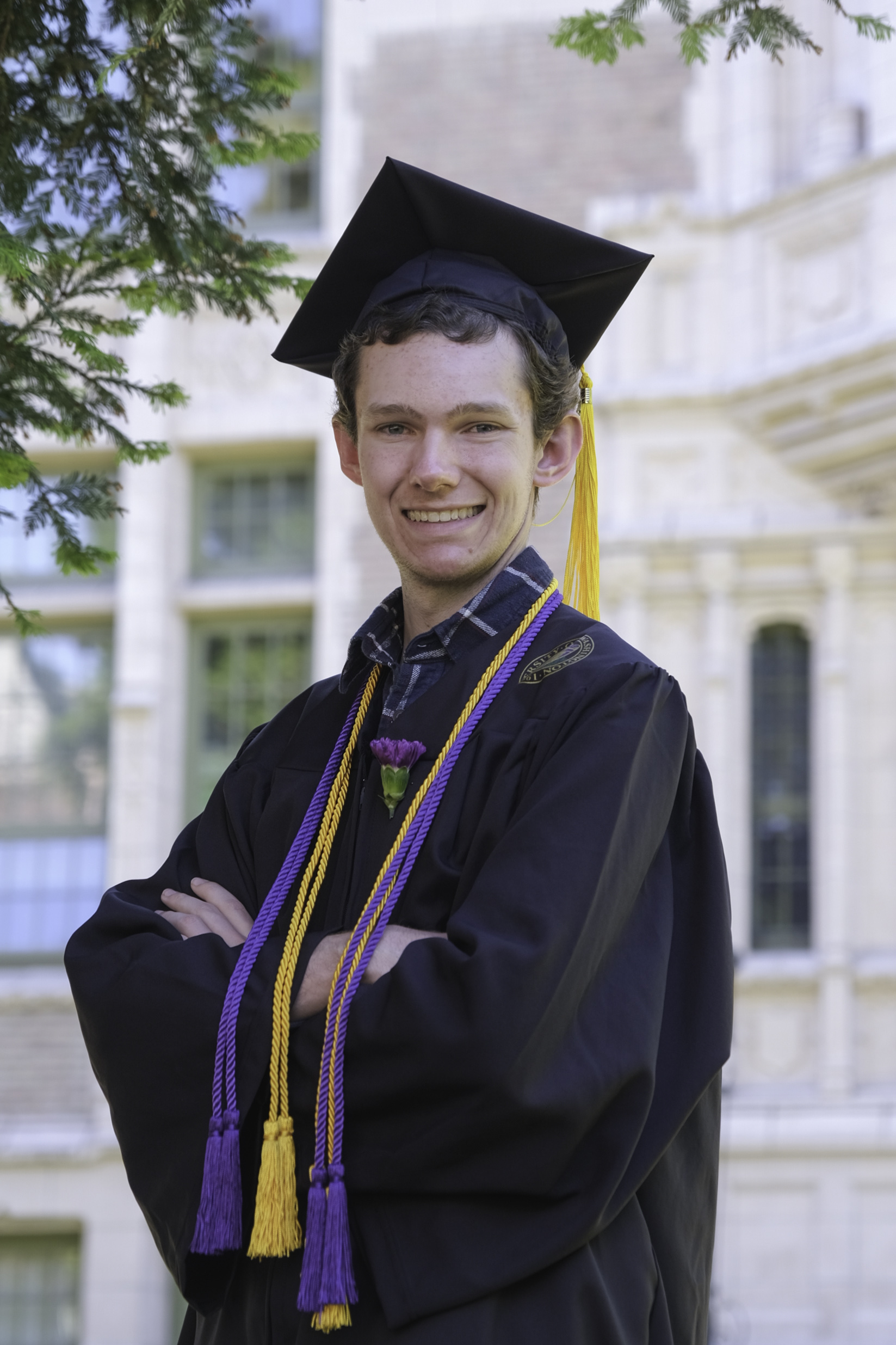
<p>We are thrilled to congratulate Jared Haar, a member of the Buckley Lab, on his recent graduation from the University of Washington. Jared earned a Bachelor of Science in Biology with Honors and was nominated to be a Dean’s Medalist. Outstanding work, Jared! We are excited to have Jared join us for a second summer helping out with the Washington Resurvey of Pierids (WARP) Project.</p>

<p><img src="/assets/img/JaredPoster2024.png" style="float: left; height: 200px; margin-right: 10px;" alt="Jared’s Poster" /></p>

<h3 id="may-2024-news">MAY 2024 NEWS</h3>
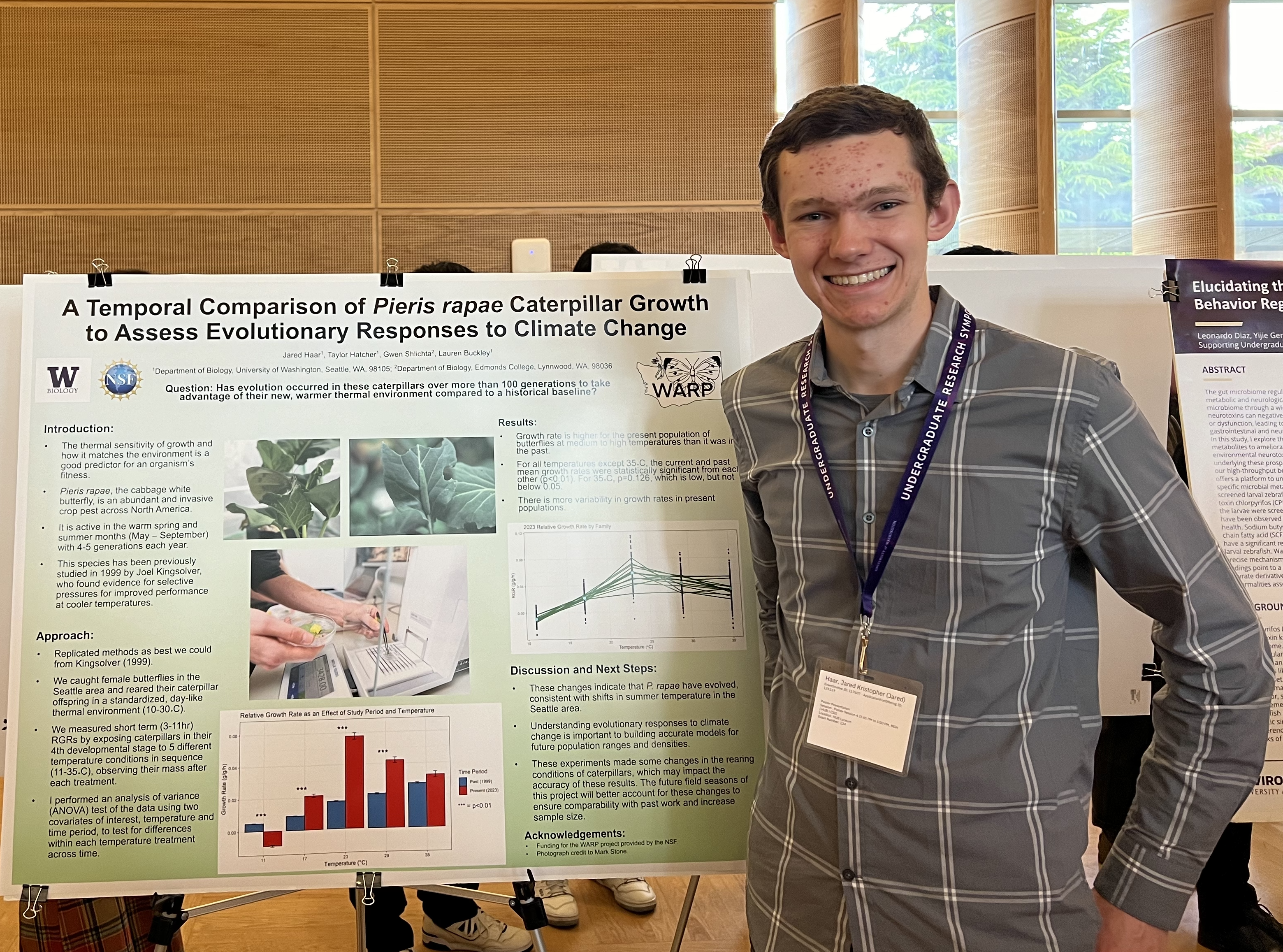
<p>Congratulations to Jared Haar for his outstanding presentation at the UW Undergraduate Research Symposium! We also enjoyed the excellent poster presentations from Dr. Gwen Shlichta’s students from Edmonds Community College who presented at the symposium as well. Great work everyone!</p>

<p>&nbsp;</p>

<h3 id="welcome-ben-april-2024">WELCOME BEN, April 2024</h3>

<p>Welcome Ben! Ben will be coordinating field work efforts part of the Washington Resurvey of Pierids Project (WARP). We are thrilled to have Ben be apart of the team.</p>

<h3 id="warp-project-and-dr-gwen-shlichta-featured-on-cascade-pbs">WARP Project and Dr. Gwen Shlichta featured on Cascade PBS</h3>
<p>We’re excited to share that Dr. Gwen Shlichta, a valued collaborator for the WARP (Washington Resurvey of Pierids) Project, recently took center stage in an episode of the captivating “Human Elements” series featured on Cascade PBS. 
The episode highlights the unique aspects of the WARP Project. Watch the episode <a href="https://www.kcts9.org/show/human-elements/episode/butterfly-adaptation-vgjzqj">here</a>.</p>

<h3 id="2024-sicb-annual-meeting">2024 SICB Annual Meeting</h3>
<p>The Buckley Lab group had a remarkable experience at the Society for Integrative and Comparative Biology (SICB) Annual Meeting held in Seattle, WA, this year.</p>

<p>Drs. Lauren Buckley and Monica Sheffer presented in the “Global change: Life history evolution” session. Dr. Buckley spoke about “Insect size responses to climate change vary across elevations and life histories”. Dr. Sheffer explored the topic of “Montane grasshopper fitness constraints in changing environments.”
Julia Smith, a key member and graduate student of our lab, presented a poster titled “Diel thermoregulation in grasshoppers: where to be, when to feed.”</p>

<h3 id="trench-ed-at-the-washington-climate-education-summit-may-2023">TrEnCh-ed at the Washington Climate Education Summit, May 2023</h3>
<p>Julia and Lauren enjoyed meeting K-12 educators excited to teach climate change and sharing the TrEnCh-ed resources.</p>

<h3 id="welcome-taylor-april-2023">WELCOME TAYLOR, April 2023</h3>
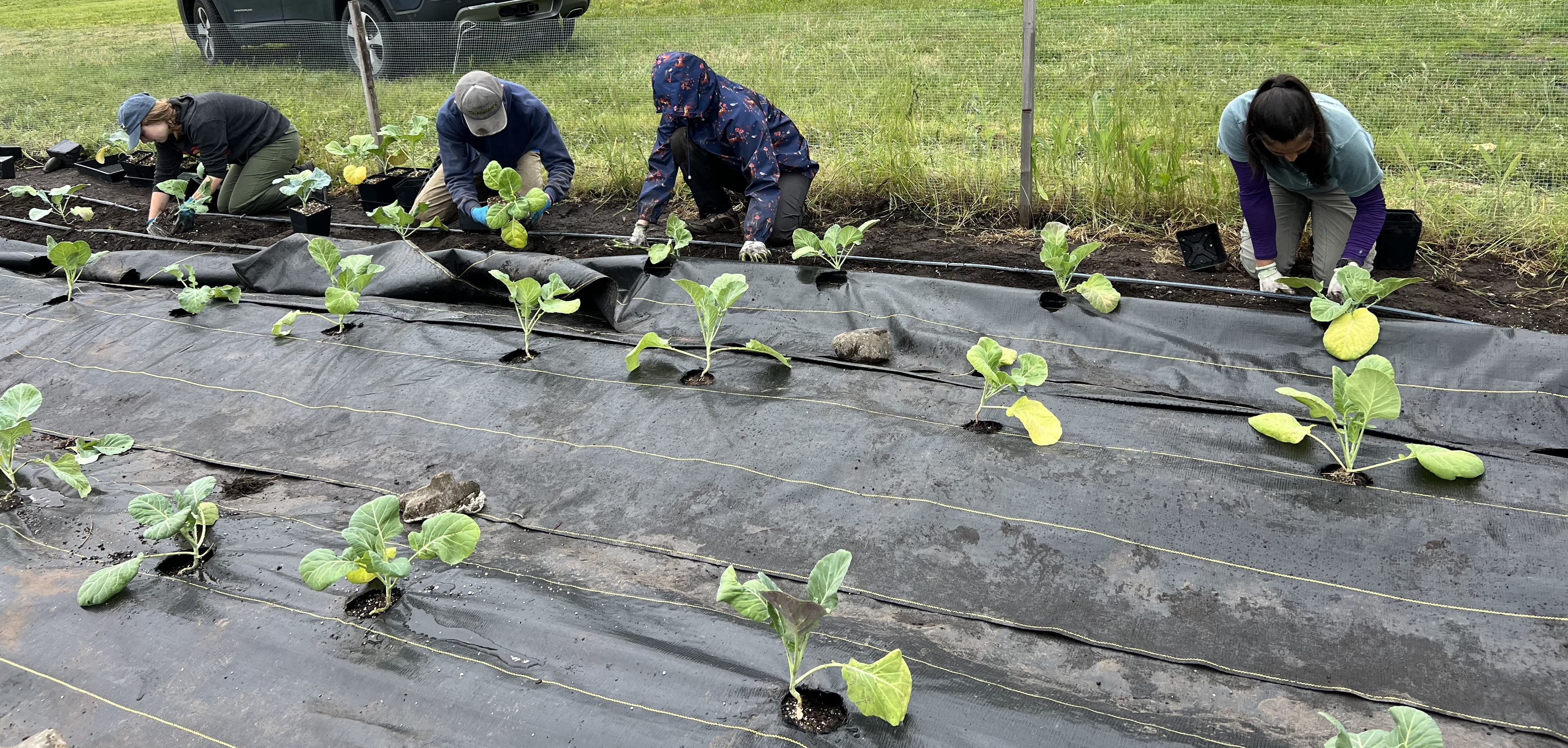
<p>We’re excited that Taylor is joining the group to coordinate our new butterfly resurvey project. Stay turned for our adventures setting up a farm plot at the Center for Urban Horticulture.</p>

<h3 id="research-technician-butterfly-evolutionary-responses-to-climate-change-jan-2022">RESEARCH TECHNICIAN: butterfly evolutionary responses to climate change, Jan 2022</h3>
<p>We’re recruiting a research technician to manage, coordinate, and conduct research activities for a project repeating historical butterfly research to examine ecological and evolution responses to climate change. See the bottom of our opportunities page for further details.</p>

<h3 id="undergraduate-research-opportunity-jan-2022">Undergraduate research opportunity, Jan 2022</h3>
<p>We’re recruiting undergrads for some ambitious lab projects for the first time in a while… 
The UW Biology research group led by Professor Lauren Buckley (https://huckleylab.github.io/) has paid positions open (winter and spring 2023) for UW undergraduate students to contribute to one or both of the following resurvey projects examining insect responses to recent climate change.</p>

<p>Grasshopper resurvey project: The grasshopper resurvey project uses field and lab experiments integrated with genomic and physiological approaches to examine how survival and fecundity constraints influence responses to environmental change. Students will primarily assist with rearing grasshoppers in environmental chambers and with physiological measurements under the mentorship of Dr. Monica Sheffer.</p>

<p>Butterfly resurvey project: The butterfly resurvey project is testing how selection on butterfly traits has shifted in response to recent climate change. Students will primarily assist with rearing butterfly larvae in environmental chambers and in an experimental garden at the UW Center for Urban Horticulture and with physiological measurements under the mentorship of Professors Gwen Shlichta (Edmonds College) and Lauren Buckley.</p>

<p>Students will learn about biological responses to climate change, gain familiarity with a variety of approaches in physiological ecology and evolution, and receive exposure to academic research and related career opportunities. Students may progress to conducting independent research and presenting the research at UW venues and beyond. There may also be opportunities to participate in summer research in Seattle and Central Washington (butterfly resurvey) or in Colorado (grasshopper resurvey).</p>

<p>See our opportunities page for further details.</p>

<h3 id="assistant-professorship-in-integrative-physiology-september-2022">Assistant Professorship in Integrative Physiology, September 2022</h3>
<p>Lauren is chairing the search for an Assistant Professor in Integrative Physiology and excited for a physiologically inclined colleague.  Applications due <a href="https://apply.interfolio.com/110616">here</a> October 1.</p>

<p>Position description:
The University of Washington (UW) Department of Biology is seeking to hire a full-time, tenure-track Assistant Professor in integrative physiology. A successful candidate would take innovative and collaborative approaches while working in an organismal framework to address integration of physiological processes across 1) biological levels,  2) organisms and ecosystems, and/or 3) ecological or evolutionary timescales. Example topics include physiological responses to environmental change and variability, maintenance of homeostasis, the molecular basis of metabolic adaptation, physiological interactions between organisms, and mechanisms of physiological evolution. In keeping with our department’s broad taxonomic breadth (plants, animals, fungi, microbes), we welcome candidates from a variety of backgrounds.</p>

<h3 id="farewell-chris-june-2022">Farewell Chris, June 2022</h3>
<p>Farewell to Chris Johnson who has wrapped up his work on the TrEnCh project and moved on to work with <a href="https://duw.unibas.ch/en/eco/">Sabine Rumpft</a> at the University of Basel. Stay tuned for a great paper exploring how well directly applying thermal performance curves predicts fitness responses to climate change relative to a population dynamic model that considers the thermal sensitivity of fitness components. Best wishes to Chris and family!</p>

<h3 id="off-to-the-co-mountain-research-station-may-2022">Off to the CO Mountain Research Station, May 2022</h3>
<p>Most of the group is off to CU’s Mountain Research Station to launch a grasshopper reciprocal transplant experiment examining survival and fecundity constraints along an elevation gradient.</p>

<h3 id="farewell-abby-february-2022">Farewell Abby, February 2022</h3>
<p>The pandemic delay to Abby starting a <a href="https://www.avmey.com/#wallenberg">fellowship</a> in Greenland is finally over. We’re grateful that the delay allowed Abby to make amazing contributions to our TrEnCh project and are excited to follow Abby’s Greenland adventure.</p>

<h3 id="welcome-monica-february-2022">Welcome Monica, February 2022</h3>
<p>We’re excited to welcome Monica as a postdoc to work on the NSF Rules of Life project examining grasshopper fecundity and survival constraints. Up soon for Monica will be orchestrating an ambitious field reciprocal transplant project.</p>]]></content><author><name>Theme:Paul Le</name></author><category term="facts" /><category term="sample" /><summary type="html"><![CDATA[MAY 2025 NEWS]]></summary><media:thumbnail xmlns:media="http://search.yahoo.com/mrss/" url="https://huckleylab.github.io/eq_sm.png" /><media:content medium="image" url="https://huckleylab.github.io/eq_sm.png" xmlns:media="http://search.yahoo.com/mrss/" /></entry></feed>